

 Esperanto
 Shqiptare
 Euskara
 Zulu
Zulu
 Latinus
 Cymraeg
 தமிழ்
தமிழ்
 Slovak
 Slovak
 Afrikaans

NEWS CENTER
HONGJIA
08
2023
-
12
Achieve Better Performance with PTFE Wrapping Pad in Rubber Seals
Author:
Introduction
Rubber seals play a crucial role in various industries, ensuring the prevention of leakage and the protection of equipment. However, traditional rubber seals can sometimes fall short in terms of performance and longevity. That's where the PTFE (polytetrafluoroethylene) wrapping pad comes into play. In this article, we explore the advantages of using PTFE wrapping pad in rubber seals and how it can significantly improve their overall performance.
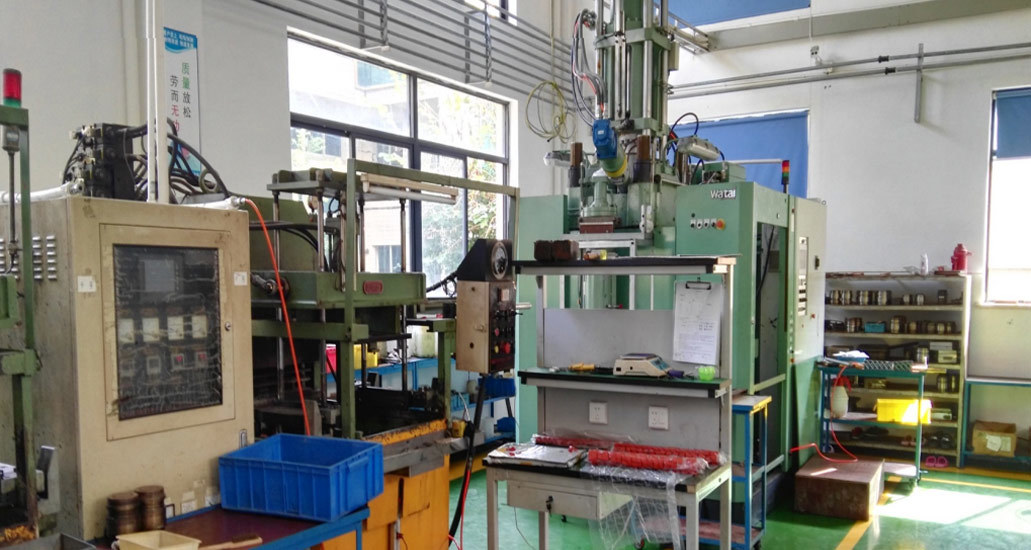
Table of Contents:
1. Understanding the Importance of Rubber Seals in Industrial Applications
2. Introduction to PTFE Wrapping Pad
3. Benefits of PTFE Wrapping Pad in Rubber Seals
3.1 Enhanced Chemical Resistance
3.2 Improved Wear and Tear Resistance
3.3 Reduction in Friction and Power Loss
3.4 Increased Temperature Resistance
3.5 Longer Lifespan of Rubber Seals
3.6 Cost-Effectiveness
4. How to Install PTFE Wrapping Pad in Rubber Seals
4.1 Preparation of Rubber Seals
4.2 Applying PTFE Wrapping Pad
4.3 Securing the Wrapping Pad
5. Frequently Asked Questions (FAQs)
5.1 What is PTFE wrapping pad?
5.2 Can PTFE wrapping pad be used in all types of rubber seals?
5.3 How does PTFE wrapping pad enhance chemical resistance?
5.4 Is PTFE wrapping pad easy to install?
5.5 Can PTFE wrapping pad withstand high temperatures?
6. Conclusion
Understanding the Importance of Rubber Seals in Industrial Applications
Rubber seals are widely used in various industries such as automotive, manufacturing, and construction. They serve as a crucial barrier, preventing the leakage of fluids or gases and protecting equipment from external contaminants. The performance and reliability of rubber seals directly impact the productivity and safety of industrial processes.
Introduction to PTFE Wrapping Pad
PTFE wrapping pad, also known as Teflon wrapping pad, is a specialized material designed to enhance the performance of rubber seals. It is made of PTFE, a synthetic fluoropolymer with remarkable properties that make it an ideal choice for improving the functionality and durability of rubber seals.
Benefits of PTFE Wrapping Pad in Rubber Seals
3.1 Enhanced Chemical Resistance
One of the significant advantages of using PTFE wrapping pad in rubber seals is its exceptional chemical resistance. PTFE has a unique molecular structure that repels most chemicals, including corrosive substances and solvents. This property ensures that the rubber seals remain unaffected even when exposed to harsh chemicals, reducing the risk of seal degradation.
3.2 Improved Wear and Tear Resistance
Rubber seals can experience significant wear and tear due to constant friction and contact with rough surfaces. By incorporating PTFE wrapping pad, the overall wear and tear resistance of rubber seals are greatly enhanced. The non-stick nature of PTFE reduces friction, preventing excessive heat generation and extending the lifespan of the seals.
3.3 Reduction in Friction and Power Loss
Friction between rubber seals and mating surfaces can lead to power loss and decreased efficiency in various applications. PTFE wrapping pad acts as a lubricant, reducing friction and minimizing power loss. This results in improved energy efficiency and enhanced performance of the equipment.
3.4 Increased Temperature Resistance
Rubber seals can encounter high temperatures in certain industrial applications. PTFE wrapping pad exhibits excellent thermal stability and can withstand extreme temperature conditions without losing its properties. By using PTFE wrapping pad, rubber seals can maintain their functionality even in high-temperature environments.
3.5 Longer Lifespan of Rubber Seals
Due to the superior properties of PTFE wrapping pad, rubber seals can significantly increase their lifespan. The enhanced resistance to chemicals, wear and tear, and temperature fluctuations ensures that the seals remain intact and functional for a longer period, reducing maintenance costs and downtime.
3.6 Cost-Effectiveness
While PTFE wrapping pad may have a higher initial cost compared to traditional rubber seals, its long-term benefits outweigh the investment. The extended lifespan and improved performance of rubber seals result in cost savings by reducing the frequency of seal replacements and minimizing equipment downtime.
How to Install PTFE Wrapping Pad in Rubber Seals
4.1 Preparation of Rubber Seals
Before installing the PTFE wrapping pad, it is essential to prepare the rubber seals by cleaning them thoroughly. Remove any dirt, debris, or old seal remnants from the sealing surfaces to ensure proper adhesion of the wrapping pad.
4.2 Applying PTFE Wrapping Pad
Cut the PTFE wrapping pad into the desired size and shape, ensuring it matches the dimensions of the rubber seals. Apply a thin layer of adhesive on one side of the wrapping pad and carefully place it onto the sealing surface of the rubber seal.
4.3 Securing the Wrapping Pad
Press the wrapping pad firmly against the sealing surface to ensure proper adhesion. Use a roller or any suitable tool to remove air bubbles and ensure even contact between the wrapping pad and the rubber seal. Allow the adhesive to dry completely before moving or using the seals.
Frequently Asked Questions (FAQs)
5.1 What is PTFE wrapping pad?
PTFE wrapping pad is a specialized material made of polytetrafluoroethylene (PTFE). It is used to enhance the performance and longevity of rubber seals by providing superior chemical resistance, wear and tear resistance, and reduced friction.
5.2 Can PTFE wrapping pad be used in all types of rubber seals?
Yes, PTFE wrapping pad can be used with various types of rubber seals, including O-rings, gaskets, and other sealing components. It offers universal compatibility and improves the performance of rubber seals across different industries.
5.3 How does PTFE wrapping pad enhance chemical resistance?
PTFE has a unique molecular structure that repels most chemicals. When incorporated into rubber seals as a wrapping pad, it forms a protective barrier, preventing the penetration of corrosive substances and enhancing the overall chemical resistance of the seals.
5.4 Is PTFE wrapping pad easy to install?
Yes, PTFE wrapping pad is relatively easy to install. It can be cut to the desired size and shape, and adhesive is applied to one side for easy attachment to the sealing surface of rubber seals. Following the proper installation procedure ensures secure and long-lasting adhesion.
5.5 Can PTFE wrapping pad withstand high temperatures?
Yes, PTFE wrapping pad exhibits excellent temperature resistance and can withstand high temperatures without losing its properties. It remains stable and maintains its functionality even in extreme temperature conditions, making it suitable for various industrial applications.
Conclusion
Incorporating PTFE wrapping pad in rubber seals can significantly enhance their performance and longevity. This specialized material offers numerous benefits, including enhanced chemical resistance, improved wear and tear resistance, reduced friction, increased temperature resistance, longer lifespan, and cost-effectiveness. By utilizing PTFE wrapping pad, industries can achieve better performance and reliability in their sealing applications, ensuring efficient operations and reduced maintenance costs. Upgrade your rubber seals with PTFE wrapping pad and experience the difference in performance and durability.
ptfe wrapping pad

undefined
The main professional processing equipment includes flat vulcanizer, injection molding machine, rubber and plastic pressurized kneader, rotorless vulcanizer, tensile testing machine...
Hengshui Hongjia Rubber Products Co., Ltd.
Tel: 15354087771
Fax: 0318-4290916
Website: https://hjrose.en.alibaba.com/
Address: Jingxian Development Zone, Hengshui City, Hebei Province
Copyright © 2022 Hengshui Hongjia Rubber Products Co., Ltd.